


Why Now?
Freshwater quality is steadily decreasing worldwide due to human activities and the release of pollutants and excess nutrients into water systems (Dao, 2016; Sharma, 2011). These inputs have led to the eutrophication (nutrient loading) of waterbodies (Chorus, 2021), which, along with rising water temperatures, is leading to massive blue-green algae blooms (Dao, 2016). Water temperature (25 °C or above) are favourable for cyanobacterial growth, leading to more severe blooms in the late spring & summer. Algal blooms correlate positively with nitrogen and phosphorus concentrations in freshwater systems (Sharma, 2011; Heisler et al., 2008).
Sources of Pollution
-

Point Source
Point sources are specific, identifiable locations where nutrients enter a waterbody directly from their origin. These include industrial and domestic wastewater, effluent from factories, wastewater treatment plants and stormwater drains. In urban areas, point sources often dominate because municipal, agricultural and industrial wastewater systems contribute significant amounts of phosphorus and nitrogen. Although point sources play a role in eutrophication, they are generally easier to regulate and manage because they are well‑defined and readily accessible. As a result, targeting point sources is often an effective strategy for reducing nutrient inputs into freshwater systems.
(Paerl, 2014; Sharma et al., 2011).
-

Non-Point Sources
Non‑point sources are nutrient inputs that do not come from a single location. Nutrients build up on the land and are carried into water bodies by rain, snowmelt, and runoff. Common sources include excess lawn fertilizers, soil erosion, animal waste, septic system leaks and atmospheric deposits from fossil fuel emissions. These nutrients can move across the surface into lakes and rivers or seep down into groundwater. Because non‑point sources vary with weather, seasons and land use, they are difficult to track and regulate. In many agricultural and urban areas, they contribute more than half of all phosphorus entering waterbodies, making them a major driver of eutrophication and harmful algal blooms.
(Paerl, 2014; Sharma et al., 2011).

Blue-green algae have an advantage…
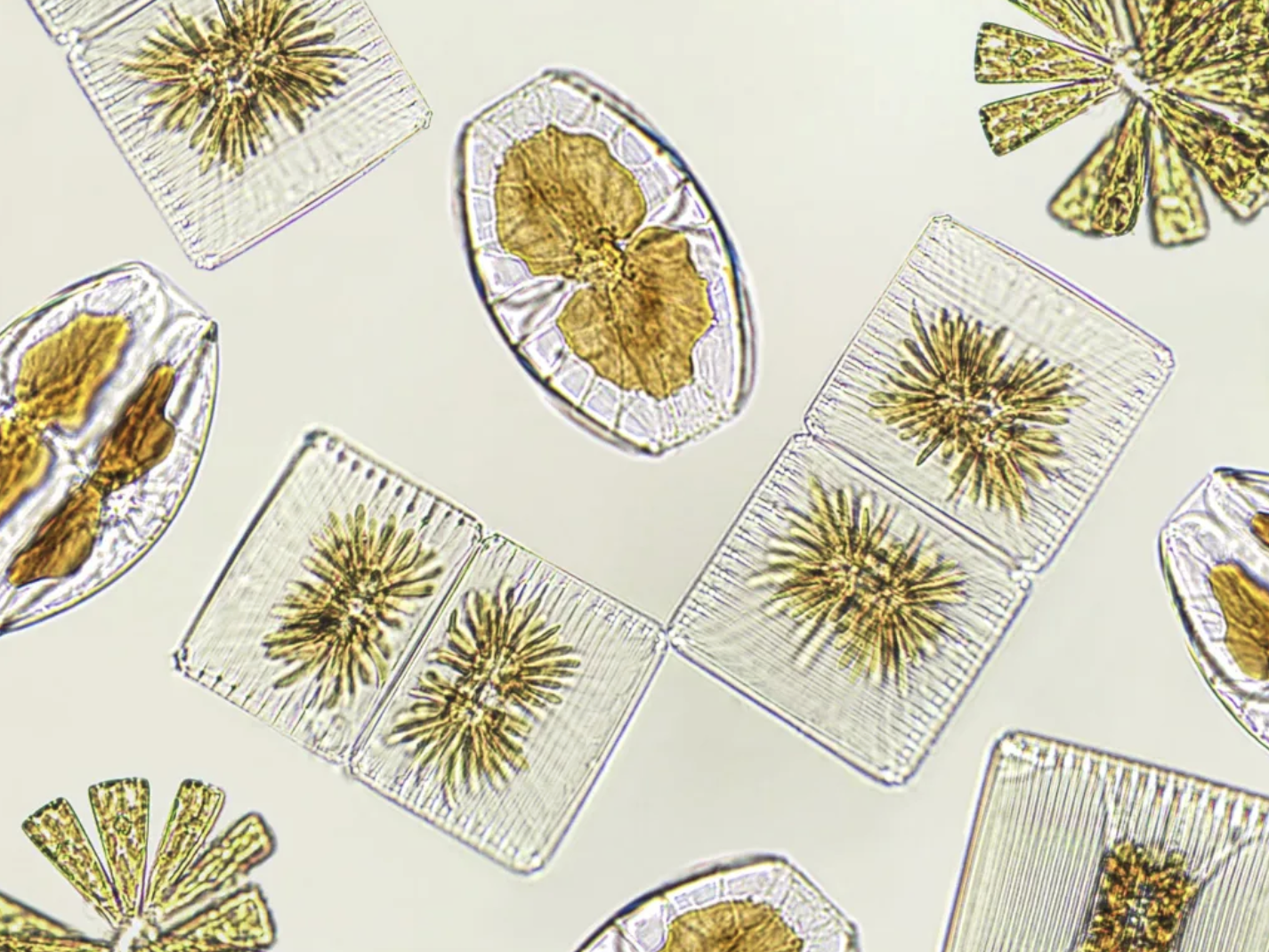
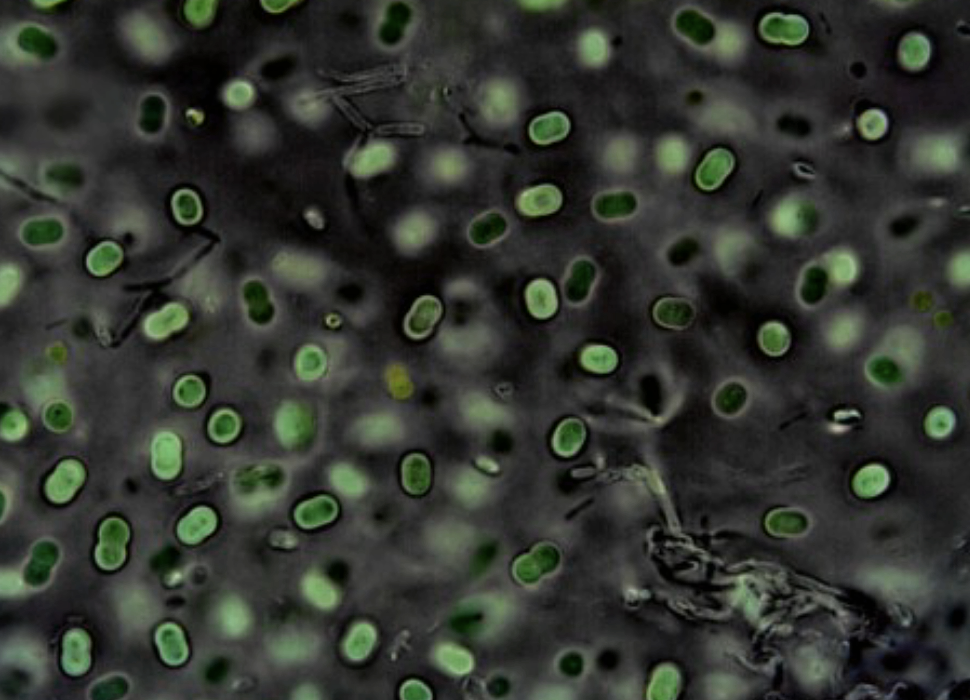
vs
Phytoplankton are tiny, plant‑like organisms found in lakes, rivers and oceans. They support healthy ecosystems and produce more than half of the world’s oxygen, making them major contributors to the planet’s oxygen supply.
Blue‑green algae, are different — they are also much smaller and simpler than phytoplankton, which gives them several advantages. Their small size helps them adjust buoyancy quickly and move to depths with the best light and nutrients. They also use a wider range of light wavelengths, including green, yellow and orange, while most phytoplankton mainly absorb blue and red light. This allows cyanobacteria to keep growing even when light conditions are not ideal for other species.
Cyanobacteria can also tolerate strong sunlight at the water’s surface because they have protective pigments. These advantages allow them to form and maintain surface blooms, even when conditions are difficult for phytoplankton and grazers (Paerl, 2014).