

where to BEGIN
Explore the ideas below to learn how you can make a difference right at home and on your own property. Each section includes helpful links with more information and practical steps you can take.
Shoreline Rewilding
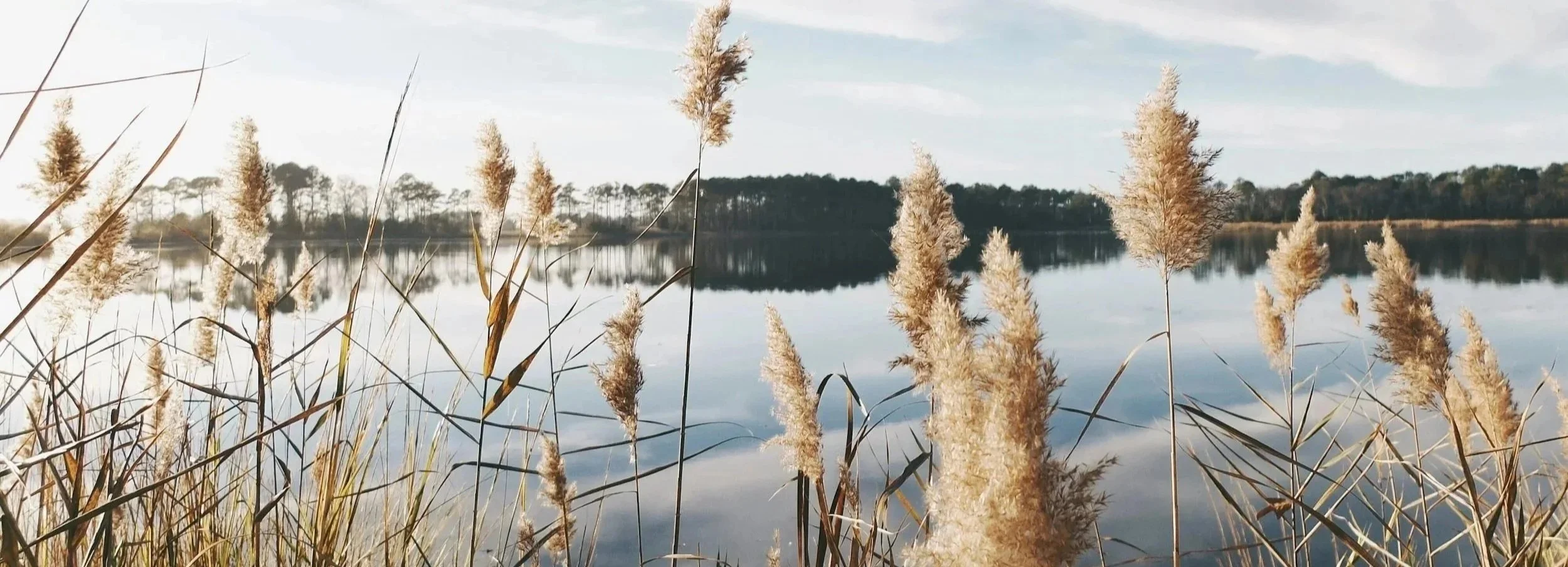
Shoreline rewilding involves restoring native plants and natural habitat along lake and river edges. These natural shorelines help filter runoff, reduce erosion, improve water quality and provide important habitat for wildlife. Rewilding brings back the natural balance of shore ecosystems and supports healthier, more resilient waterways.
Lawn Alternatives
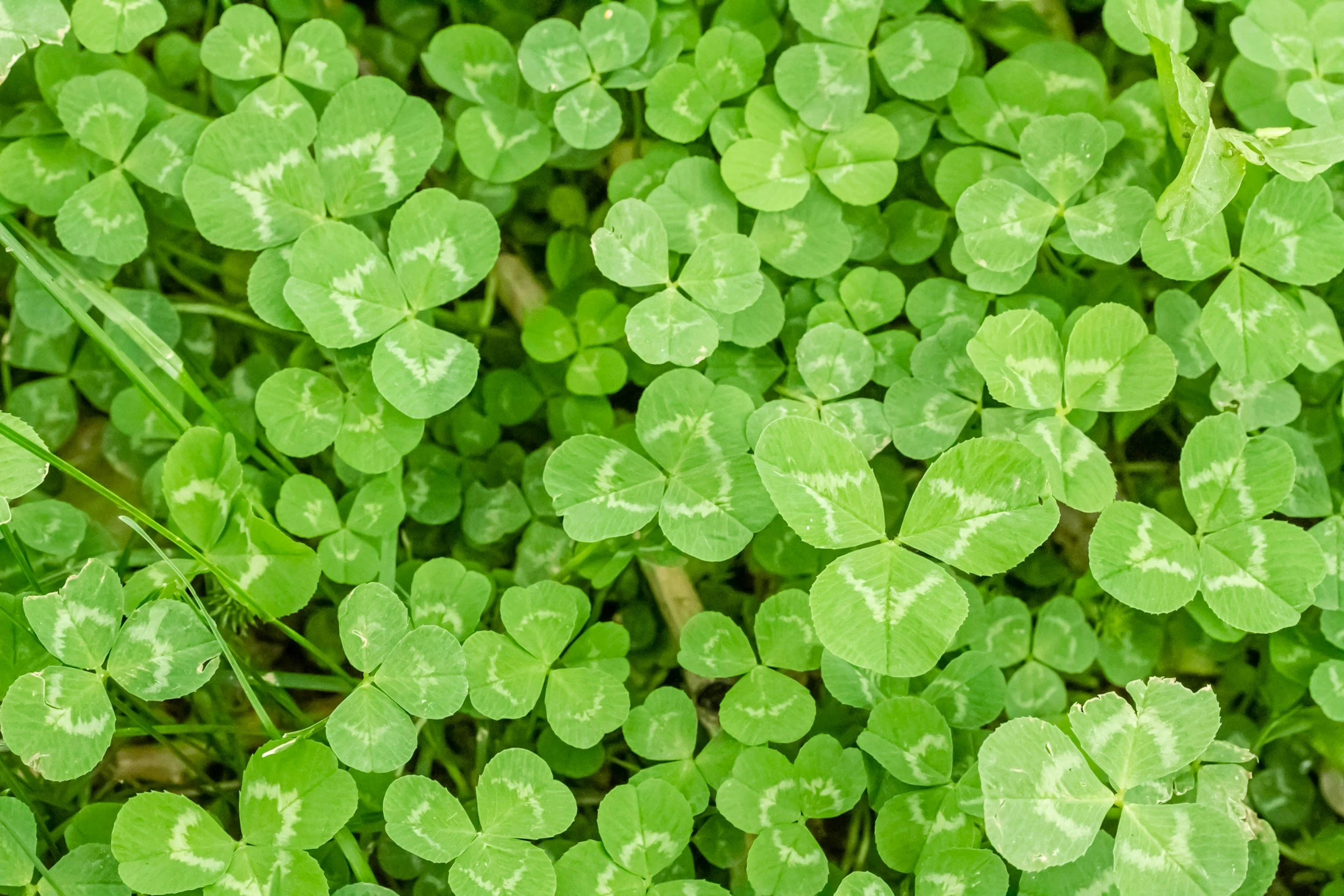
Swapping traditional turf for native groundcovers, clover, wildflowers or no‑mow areas can reduce maintenance, improve water quality and support pollinators. Choosing native, non‑invasive plants creates healthier yards that require less watering, fertilizer and mowing — all while benefiting local wildlife.

Alternative Product Choices
Choosing alternative household and lawn products can play an important role in protecting local lakes from blue-green algae blooms. Many common products—such as fertilizers, detergents, and cleaning agents—contain nutrients like phosphorus and nitrogen. When these nutrients enter waterways through runoff, they can fuel the rapid growth of blue-green algae. By selecting products that are low in or free of these nutrients, individuals can help reduce the amount entering local water systems. Explore the links below to learn more about Canadian companies offering lake-friendly product alternatives.

Lawn Care & Fertilizers
I’m not here to tell you to stop using fertilizers (okay… maybe a little). But, I understand that having a beautiful grass lawn is visually stunning, soft and welcoming to children, and an enjoyable hobby. But if you do fertilize, there are ways to reduce the impact on nearby lakes.
Even golf courses often manage fertilizer carefully—applying smaller amounts more frequently and maintaining buffer zones near water to help protect surrounding lakes.
Check Your Septic
Properly maintaining your septic system is especially important if you live near a lake. Failing or poorly maintained systems can leak nutrients like phosphorus and nitrogen into nearby waterways, which can contribute to blue-green algae blooms. Regular inspections, pumping when needed, and mindful water use help keep your system functioning properly and reduce the risk of nutrient pollution reaching local lakes.